
Top 10 Causes of Green Pool Water and How to Fix Them.

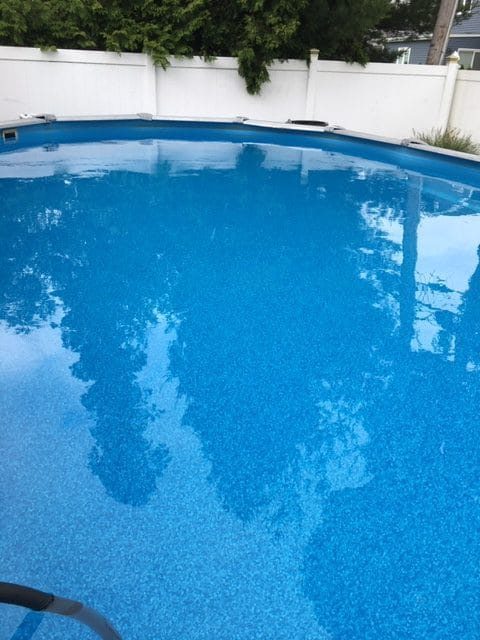
Help! My pool water is clear green
  • Here are the top 10 causes of green pool water (ranked by how often they happen in real-world pools) and how to fix them:
  1. Algae Growth – The #1 cause. Algae thrive when chlorine is too low or circulation is poor.  FIX by shocking the pool or adding an algaecide.  Just be careful with copper based algaecides as they add copper to the water (use a CuLator Metal Eliminator to remove the left-over copper) 
  2. Low Free Chlorine Levels – Without enough sanitizer, algae and bacteria quickly multiply, turning the pool green.  FIX by shocking the pool and keep the free chlorine level between 1-3.  You may need to keep the chlorine level elevated until the water clears.
  3. Poor Filtration or Circulation – If the filter is clogged, undersized, or the pump isn’t running long enough, algae spores settle and bloom.  FIX by cleaning the filter(s) and check the pump.
  4. High Phosphates/Nitrates – These act as “food” for algae, accelerating growth even if chlorine is present.  FIX by using a phosphate remover or drain some of the water from the swimming pool.
  5. Imbalanced pH – High or low pH can reduce chlorine effectiveness, allowing algae to take hold.  FIX by raising or lowering your pH.  Salt systems often have higher pH.  Check the pH regularly.
  6. High Cyanuric Acid (Stabilizer) – Too much CYA locks up chlorine, leaving the pool under-sanitized despite good chlorine readings.  FIX by training some of the water from the swimming pool.
  7. Metals in the Water (Copper/Iron) – Oxidized copper can give a green tint, especially after shocking. Iron can also cause discoloration.  If the pH goes up too high, then metals may “plate out” onto the surface as a stain.  FIX by using a CuLator Metal Eliminator to remove the metals and prevent stains.  Also you can prevent staining by using a sequestering agent like Mega Maintain.
  8. Warm Water & Sunlight – Heat and direct sun speed up algae reproduction and chlorine breakdown.  FIX by checking your chlorine levels regularly.
  9. Organic Debris – Leaves, pollen, dirt, and other matter feed algae and deplete chlorine.  FIX by removing debris frequently and running the filtration system regularly.
  10. Low Alkalinity –  If your alkalinity is low, you may get green water, which is also aggressive water.  FIX by raising the alkalinity to 80-120 for liners and 100-125 for plaster.

NOTE: Most of the time, green water is a chlorine and algae problem, but metals (especially copper from algaecides and damaged heaters and iron from salt systems, bricks, pavers, or stones around the pool, screens around the pool, run off from irrigation, and well water) can also be the culprit.  If your water is clear, but green, then you most likely have a metal issue. If the swimming pool water is cloudy, and green, that is an indicator that you need to add chlorine to the water to get rid of the cloudiness and then treat the metals.

CuLATOR INFLATED LIKE A BALLOON, IS THIS NORMAL?

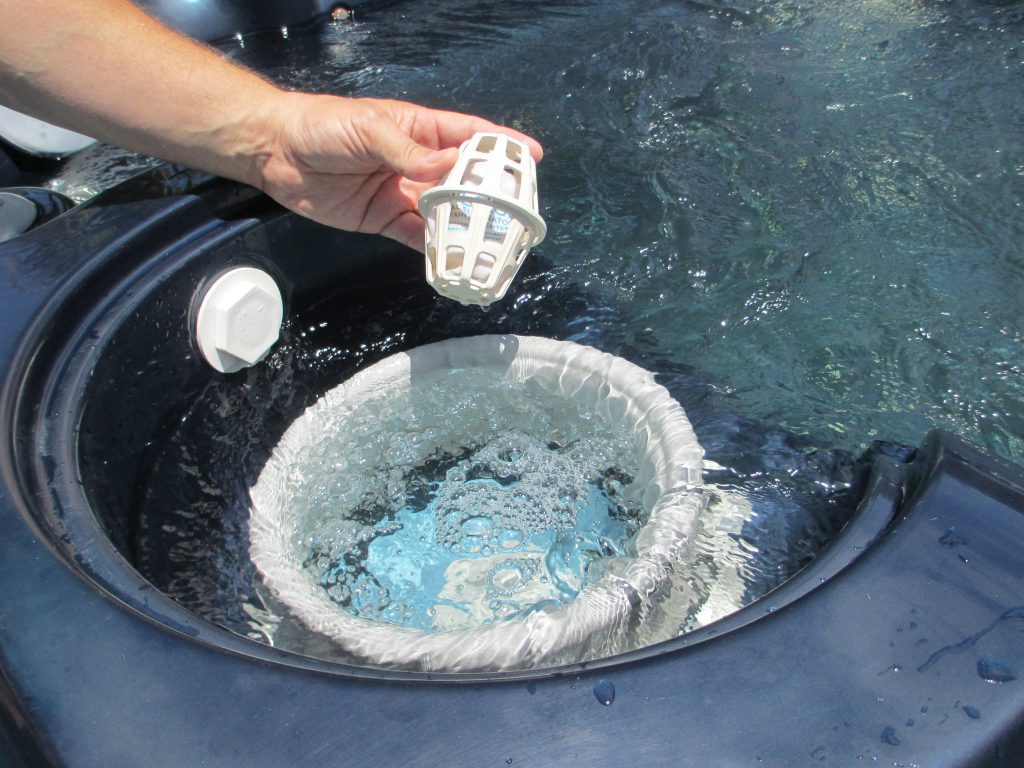
CuLator Ultra 4.0 hydrated and puffy.
CuLator Ultra 4.0 hydrates and puffs up. This is normal.

Message: 

I’ve used CuLator 4.0 for the past few years and have been happy with the results. I believe there is a problem with the CuLator 4.0 I purchased this year from Leslie’s Pool Supply. After placing it in the skimmer, the bag in the plastic holder has inflated like a balloon. Is this a defective product?

Response:

Thank you for your email and continued use of CuLator!

Your new CuLator Ultra 4.0 is supposed to inflate.  The polymers inside hydrate and then start to bind the metals. Often, it looks like a grenade when the polymers are hydrated inside the bag.  When the bag shrinks to ½ the size, feels watery inside, or crunchy inside, then the CuLator is finished and needs to be replaced.  If the bag is still puffy, then it has capacity to remove metals.  

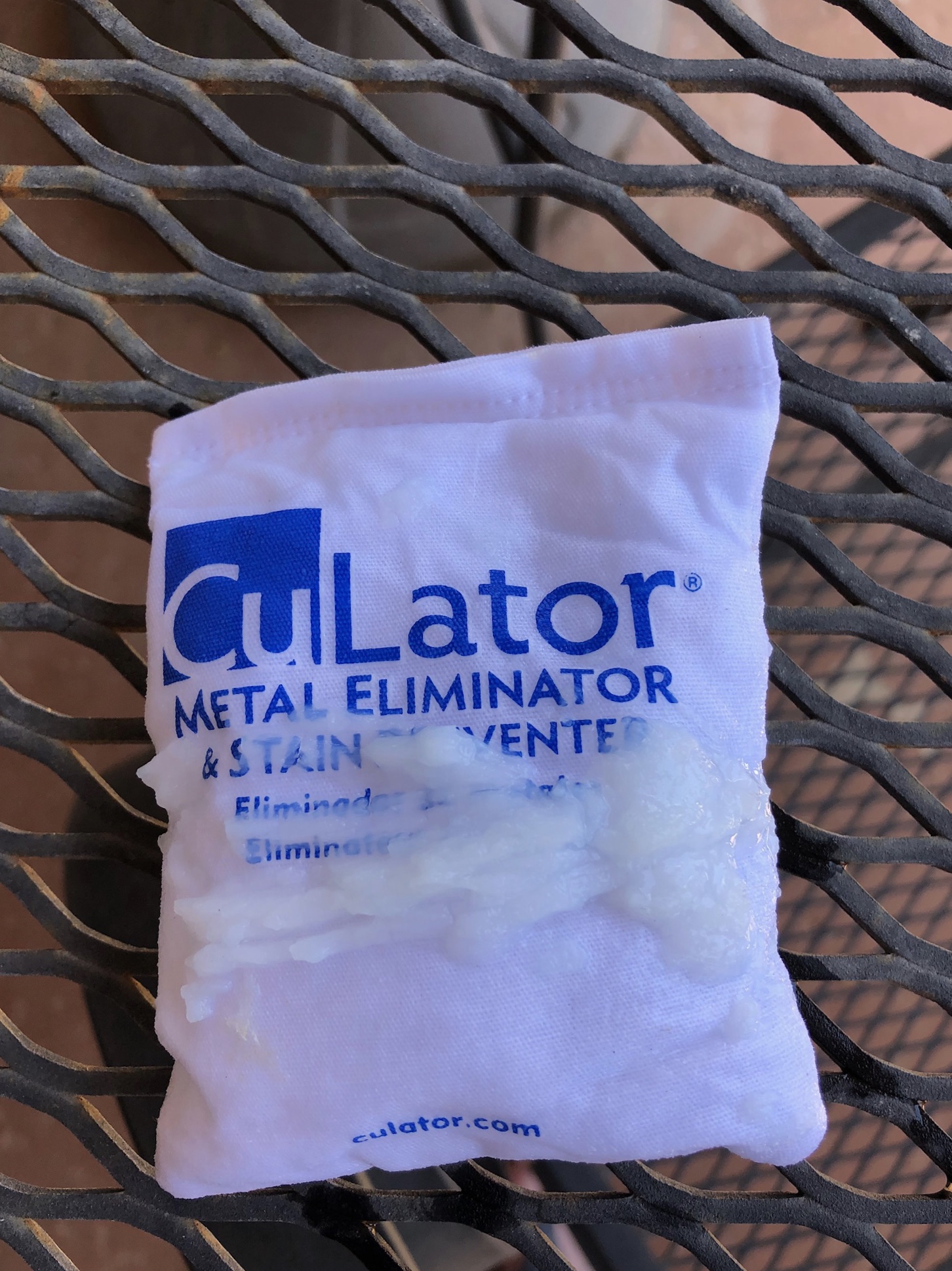
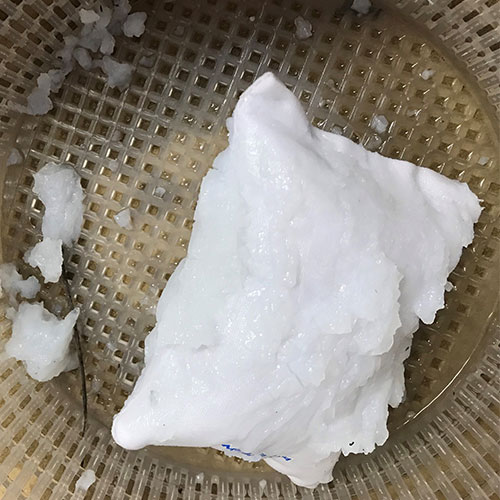
Note:  Sometimes in our production process, polymers get onto the outside of the CuLator bag.  Don’t worry, the polymers are non-toxic and they will slough off and get caught by the filter.  These will show up as a clear gel on the outside of the bag.  If you happen to see a white substance, which looks like Crisco, form on the outside of the CuLator bag, that is phosphate remover which gets caught by the bag.  Just rinse that off and the CuLator will work normally.


phosphate remover on CuLator bag
Phosphate Remover collects on the CuLator bag (white goo). Just rinse this off and the CuLator works fine.

Is the CuLator Still Working When Puffed Up?

We get questions about if CuLator is working and when you know it is finished and needs to be replaced.

Here is an example of a question:

Love your product my pool had very high copper levels after 4 days my bag is blue and puffed up. Should I take it out if it is puffed up ? I bought the 1.0 and seems to really be working so I purchased the 4.0 also!

Here is an answer:

When the CuLator is puffed up, it means the CuLator polymers have “hydrated”.  This is normal and does not mean all the metals have been removed from the water.  When the contents of the CuLator bag shrink to half their size, or the contents feel watery or like pebbles inside, then it is time to replace the CuLator.  This may take 1-3 months with the CuLator 1.0 and up to 6 months with the CuLator Ultra 4.0.

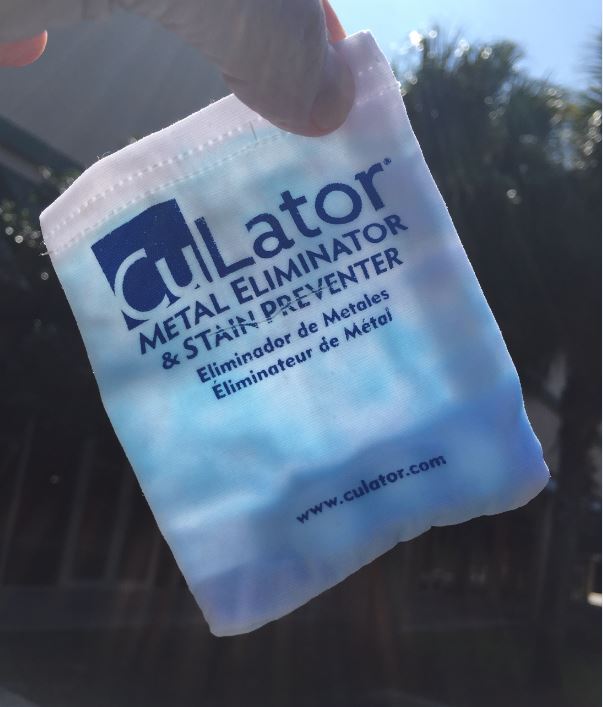
When the contents of the bag turns blue (or another color), that indicates that metals are being removed from the water.  The best way to see if metals are being removed is to hold the bag up to the light (with the light behind the bag) and see if there is a color INSIDE the bag.

If the bag is “puffy” it still has capacity to remove metals from the water.  If you aren’t sure you can always call Periodic Products at 954-764-7654.


CuLator Ultra 4.0 hydrated and puffy.
When the CuLator is Puffy There is Still Capacity to Remove More Metals from Pool Water
Used CuLator with Copper Removed From the Pool.
CuLator 1.0 Used and Blue Indicates Copper was Removed from the Pool Water

We also have a product call the CuLator Metal Indicator Tabs, which is an easy visual to use to determine if you have metals and which one you have in your pool water.

CuLator Metal Indicator Tab Showing Copper Present in Pool.
Metal Indicator Tab Turns Blue/Teal Indicates Copper Present in Pool Water
CuLator Metal Indicator Tab- Indicating iron is in the swimming pool water
Metal Indicator Tab Turns Yellow/Orange/Rust Indicates Iron Present in Pool Water

CuLator Dosage Chart

CuLator Dosage Chart

The Periodic Products and CuLator Dosage Chart provides essential guidelines for using CuLator and related products to effectively remove and prevent metal stains in pools and spas. Whether dealing with iron, copper, or other metal contaminants, this chart ensures precise application for optimal water clarity and equipment protection.

CuLator Metal Eliminator and Stain Preventers

CuLator PowerPak 1.0 and Ultra 4.0 both use non-toxic polymers that physically and chemically remove metals from pool water. The PowerPak 1.0 (removes 1.0 ppm metals) is for regular maintenance and works for 1-3 months, while the Ultra 4.0 (removes 4.0 ppm metals) is for high-metal content water or larger pools and works for 4-6 months. The PowerPak 1.0 is placed in the skimmer basket while the Ultra 4.0 is placed in the pump basket for passive metal removal. CuLator is the only way to remove and eliminate metals completely without draining precious pool water.

Mega Maintain Metal, Stain, and Scale Control

Designed for ongoing maintenance, Mega Maintain sequestering agent is used to continuously prevent staining and discoloration. It is ideal for pools with persistent metal problems and ensures short-term protection by keeping metal levels in check. Use with CuLator to finish metal removal.

Super Start-Up Sequestering Agent

Perfect for new pool start-ups or refilling after resurfacing, Super Start-Up rapidly sequesters metals introduced by fresh water sources and bricks, and stones. This prevents stains before they occur and provides a clean foundation for water balance and chemical treatments.  Super Start-Up also dissolves plaster dust and clarifies the swimming pool water. Use with a CuLator Ultra 4.0 to remove any residual metals and keep your new finish looking new.

Rust and Iron Stain Remover

Iron stains create unsightly discoloration on pool surfaces. The Iron Stain Remover dissolves and lifts rust and iron stains, restoring surfaces to their original appearance. It works effectively with CuLator to eliminate iron completely from the water.

Copper Stain Remover

Copper staining often results from algaecides, heaters, and source water. The Copper Stain Remover breaks down and removes copper stains from pool surfaces, preventing green, blue or black stains. It pairs well with CuLator products to adsorb released copper from the water and prevent re-staining.

By following the Periodic Products and CuLator Dosage Chart, pool owners can effectively prevent and eliminate metal stains, keeping their water clear and surfaces stain-free.


Top 10 Chemicals needed to open your Swimming Pool!

All Products CuLator

TOP 10 CEMICALS NEEDED TO OPEN A SWIMMING POOL

When starting up a swimming pool in the spring, several chemicals are essential to ensure the water is clean, balanced, and safe for swimming. These chemicals play various roles in sanitizing the water, preventing algae growth, and maintaining the proper pH and alkalinity levels. Here are some of the key chemicals needed for starting up a swimming pool.

  1. Chlorine: Chlorine is the primary sanitizer used in pools to kill bacteria, viruses, and algae. When starting up a pool in the spring, it’s essential to shock the pool with a concentrated dose of chlorine to eliminate any contaminants that may have accumulated over the winter. You can use either granular chlorine, liquid chlorine, or chlorine shock products for this purpose.  Once your pool is open, remember that the only safe swimming chlorine range is between 1-4 ppm.
  2. pH Increaser and Decreaser: pH is a measure of the acidity or alkalinity of the pool water. The ideal pH range for swimming pools is typically between 7.2 and 7.6. pH increaser (sodium carbonate or soda ash) is used to raise the pH level if it’s too low, while pH decreaser (sodium bisulfate or muriatic acid) is used to lower the pH if it’s too high.  If your pH ever falls below 7.0, then your water is acid and will destroy all surfaces, and your equipment, including your heater. 
  3.  Alkalinity Increaser: Total alkalinity is a measure of the water’s ability to resist changes in pH. Proper alkalinity levels (typically between 80 and 120 ppm for liners and 100-125 for plaster) help stabilize the pH and prevent rapid fluctuations. Sodium bicarbonate (baking soda) is commonly used to increase alkalinity when necessary.
  4.  Calcium Hardness Increaser: Calcium hardness refers to the concentration of calcium ions in the water. Maintaining the proper calcium hardness level (usually between 200 and 400 ppm) helps prevent corrosion of metal components and plaster surfaces, as well as scale formation. Calcium chloride is often used to increase calcium hardness in pool water.  Be careful not to overuse calcium chloride as once the calcium is in the swimming pool water, there is no simple way to remove it.
  5. Algaecide: Algaecides are chemicals designed to prevent or control algae growth in the pool. Adding an algaecide during startup can help inhibit algae growth as the pool water warms up and becomes more conducive to algae development. Choose an algaecide appropriate for your pool type and follow the manufacturer’s instructions for dosage and application.  Many algaecides contain copper, which works great, but be aware that if you choose a copper-based algaecide, you will need to use a CuLator Metal Eliminator to remove those ionic metals, or they can stain the swimming pool surfaces or turn your pool water colors.
  6. Stabilizer (Cyanuric Acid or CYA): Stabilizer helps protect chlorine from degradation due to UV sunlight exposure. Cyanuric acid is the most common stabilizer used in outdoor pools. Adding stabilizer during startup can help maintain chlorine effectiveness and reduce the need for frequent chlorine shock treatments.  Be careful not to over-use Stabilizer, as there is no effective way to remove CYA from the swimming pool water.  Try to always keep your CYA level between 30-50.
  7. Metal Sequestrant: Metal sequestrants are chemicals that bind to metals in the water, preventing them from causing staining or discoloration on pool surfaces. If your water source contains high levels of metals such as iron or copper, adding a metal sequestrant during startup can help prevent metal-related issues. We recommend starting up the pool with Super Start-Up or maintaining it with Mega Maintain.
  8. Metal Eliminator: Use a CuLator Metal Eliminator and Stain Preventer PowerPak 1.0 for pools under 20,000 gallons or a CuLator Ultra 4.0 for larger pools, pools on well water, or problem pools.  Using CuLator is a great way to protect your pool and spa surfaces and equipment from stain-causing metals like rust, iron, copper, manganese, nickel, cobalt, silver, aluminum, and lead.  The easiest way to control metals is with a CuLator Ultra 4.0 for the entire summer season.
  9.  Clarifier: Clarifiers are chemicals that help improve water clarity by causing small particles to clump together, making them easier to remove through filtration. Adding a clarifier during startup can help clear up cloudy water and enhance overall water quality.  However, this may not be necessary if your filters are clean or new.
  10. Sunscreen: This one is for you before you go into the pool, protect yourself from the sun’s harmful rays with sunscreen! A sunscreen’s sun protection factor (SPF) is only fully effective for two hours after you put it on, make sure to reapply! 

Before adding any chemicals to your pool, it’s essential to test the water to determine its current chemical balance and identify any specific needs. Use a reliable pool water testing kit to measure pH, alkalinity, calcium hardness, chlorine levels, and other parameters. Follow the manufacturer’s instructions for each chemical product, and always wear appropriate safety gear when handling pool chemicals. By properly balancing and treating your pool water at startup, you can ensure a clean, clear, and safe swimming environment for the season ahead. Using this Range Based Balanced Pool Water Guide will help you identify how to correct your pool chemicals.

Top 10 Metal Removers for Swimming Pools and Spas 2023!

Beautiful Children in Swimming Pool

Below are newest top 10 metal removers for the swimming pool industry 2023.

  1. Natural Chemistry Metal Free: Known for its eco-friendly formula, effectively sequesters metals while being gentle on pool surfaces. 
  1. CuLator Metal Eliminator and Stain Preventer by Periodic Products:  CuLator permanently removes and eliminates all stain-causing metals from the pool water, providing lasting protection against staining and discoloration. CuLator is patented and non-toxic. 
  1. Jack’s Magic The Purple Stuff: This powerful sequestering agent is designed to remove stains caused by iron, copper, and manganese, offering long-lasting protection against further metal buildup. 
  1. SeaKlear Metal Klear: Effectively suspends metal, prevents staining, and improves water clarity. 
  1. Leisure Time Metal Gon: Suitable for all pool types, this metal remover is designed to sequester metals, preventing staining and scale formation. 
  1. GLB Sequa-Sol: GLB Sequa-Sol is a cost-effective option for metals, preventing stains, and maintaining balanced water chemistry. 
  1. Pool Mate Metal Out: This fast-acting chemical effectively sequesters iron, copper, and manganese, preventing stains and scale formation, and improving water clarity. 
  1. Bio-Dex Protect All Supreme: Specially formulated to sequester metals and prevent scale.  Super concentrated formula. 
  1. Baquacil Metal Control: Designed for use with Baquacil pool care systems, this sequestering agent prevents metal staining and helps maintain crystal-clear water. 
  1. In The Swim Super Stain Away: Suitable for various pool surfaces, this powerful agent eliminates stains caused by iron, copper, and manganese, enhancing water aesthetics. 
  In this list, the term “Metal Remover” is a misnomer. Sequestering agents and chelating agents react with metal ions to produce molecules too small to be removed by pool filters. Metal removers sold in the pool industry do not remove metals from pool and spa water but rather suspend the metals in the water temporarily. The only product that REMOVES and ELIMINATES metals is CuLator Metal Remover and Stain Preventer.  Maintaining a clean and balanced swimming pool is crucial for optimal water quality and enjoyment. One common challenge faced by pool owners is the presence of metals, such as iron, copper, and manganese, which can cause staining and discoloration. Eliminating metals from your pool water ensures stain-free and healthy swimming pool water.  

CuLator SpaPak Question

CuLator SpaPak Question

Message: Hi,
I have recently purchased from Amazon a few packs of Culator for improving my hot tub water which contains metal from my well.
I would like to know if I can reuse it after 1 treatment. If yes what is the procedure to keep it for the next refill in 3 months.

Thank you
You do miracles!
Mike

Hello Michael,

Thank you for the email. 

Yes, you can reuse the CuLator SpaPak several times.  All you must do is rinse it with fresh water, let it air dry and then place it back in the skimmer (or where you place it) when you refill.  The CuLator polymers will get dry and crunchy.  This is normal.  They will rehydrate when you place them back into the water.

Thank you for the compliments!  Please let me know if you have any other questions.

David

CuLator Removed Copper From My Swimming Pool!

Thank you kindly for the information!  Historically, for the pool, I’ve simply used the CuLator 1.0 packet in my skimmer basket with good results.  I did try the CuLator 4.0 inside the GatorCage as an upgrade/replacement, but it did not seem to perform much differently.  Not complaining, but if the 1.0 is working, it would be simpler for me to just continue that routine.

As far as actual movement and lifespan, continuously using on of the CuLator packets has kept my copper levels fairly steady at 0.1 ppm.  Sometimes 0.0 and sometimes 0.2, but very flat.  I was north of 1.0 and going higher when I started using them just under 2 years ago when we bought the pool.  Previous owner did not unfortunately manage the water chemicals very well – pH way out of spec, ridiculously high chlorine and CYA, plus he added algaecide doses every week…

Everything is now in much better shape, but I think there is some damage to either the heater and/or copper pool pipes (underground) allowing them to leech copper still.  However, I do think it is getting better (reduced)!   Actually planning running for several weeks later this summer when I have a bit more free time without the CuLator to see how fast the levels are rising, but assume there will still be a need long term for the CuLator.

Thank you again!

CuLator with Copper Removed from Swimming Pool Water

CuLator Solves Copper Cyanurate Problems in Swimming Pools

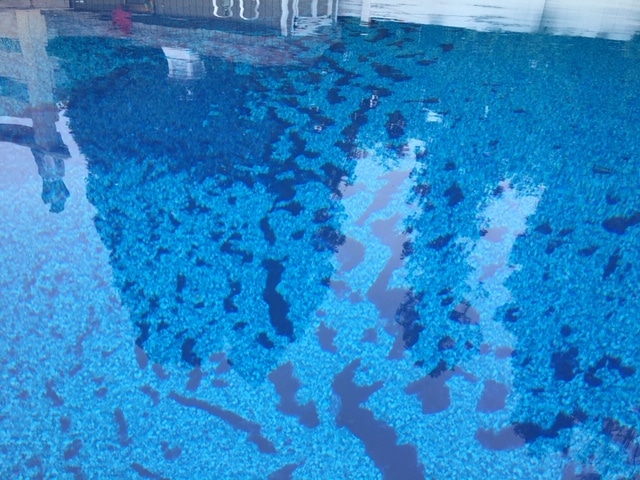
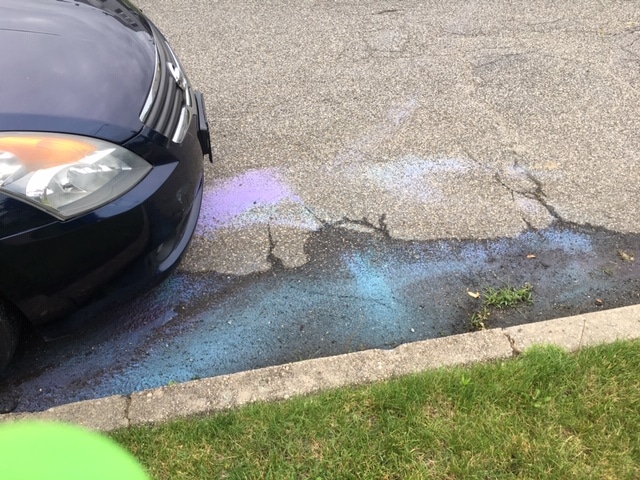
We received a question from a customer who had purple gunk at the bottom of his swimming pool.  We suspected that he had copper cyanurate.  We had him check his CYA level which was very high.  His copper level was also very high.  High copper + High CYA = Copper Cyanurate.   We had him drain the pool water and refill until the CYA was between 30-50.  When he drained the water, there was a light purple residue (sand) which showed up on the street pavement.  Obviously, that purple sand was copper cyanurate.  He was instructed to add a CuLator Ultra 4.0 to his pump basket and the problem was solved.

Here is what was said in his own words:

06/20/20 

Here are the photos of our pool. The last two photos show the residue that accumulated in the street at the end of the vacuum hose. The numbers are looking great; we will be placing the CuLator Ultra 4.0 cartridge in the pump basket this evening! 

Once again, thank you for all your help. I look forward to doing business with you in the future.


09/10/20

Pool closing…thanks for all your help this Spring with our “Purple Haze” problem. We survived the summer with pristine pool water and no problems.

H.D. Long Island, NY

What’s That White Stuff On My CuLator Bag?

When CuLator is placed in the skimmer basket (or the pump basket), and you use a phosphate remover (or a weekly maintenance which contains a phosphate remover), the phosphate remover can collect on the outside of the CuLator bag. This does not interfere with the working of the phosphate remover nor the CuLator product. It just looks ugly because it looks like a white goo that resembles Crisco. If you see this form on the outside of the CuLator bag, just rinse it off. Some examples of phosphate removers are Natural Chemistry Phosfree, Orenda PR-10000, Leslie’s Pool Perfect Weekly.

Phosphate remover on the CuLator bag phosphate remover on CuLator bag