



Lead can get into swimming pool water through several pathways, posing significant health risks and causing staining and discoloration of pool surfaces. Understanding these pathways is essential for effective prevention and remediation.
Source Water: One of the primary ways lead enters pool water is through the source water used to fill the pool. Municipal water systems, especially in older cities with aging infrastructure, may still have lead pipes or solder, leading to contamination. Private wells can also be sources of lead if they are located in areas with lead-rich geology or if the well components contain lead. Testing the source water before filling the pool is crucial to identify and mitigate this risk.
Pool Equipment: The materials used in older pool equipment, such as pumps, pipes, and fittings, can be sources of lead contamination. Over time, especially if the pool water is acidic or has high levels of dissolved solids, lead can leach from these components into the water. Regular maintenance and replacement of outdated equipment with lead-free alternatives can help prevent this issue.
Surrounding Environment: Environmental factors can also contribute to lead contamination in pool water. Lead dust or debris from nearby construction sites, industrial activities, or the use of lead-based paints in the vicinity can be blown or washed into the pool. Ensuring that the pool area is well-protected from such external contaminants can reduce this risk.
Chemicals and Additives: Some pool chemicals and additives may contain trace amounts of lead, which can accumulate over time. It is essential to use high-quality, certified pool chemicals and to check the labels for any potential contaminants.
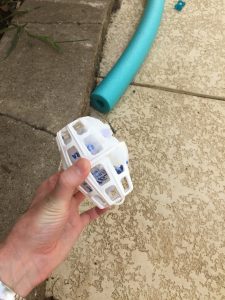
CuLator Metal Eliminator: CuLator is a product specifically designed to address the issue of metal contamination in swimming pool water, including lead. It utilizes a polymer technology to bind and trap dissolved metals, effectively removing them from the water. CuLator Metal Eliminator and Stain Preventer works by being placed in the skimmer or pump basket, where water flows through it. The polymers in the CuLator pouch captures and holds the metals, preventing them from causing stains and discoloration.
The use of CuLator is straightforward and convenient. As water passes through the pouch, the polymer actively binds with metal ions, including lead, copper, and iron. This reduces the concentration of these metals in the pool water, making it safer and clearer. Over time, as the pouch becomes saturated with metals, it can be replaced with a new one, ensuring continuous protection.
In addition to using products like CuLator, regular testing of pool water for metal contaminants is recommended. This allows for early detection and treatment, preventing the buildup of harmful metals and maintaining a safe swimming environment. By understanding the sources of lead contamination and employing effective removal strategies, pool owners can ensure their water remains clean and safe for use.


No comment yet, add your voice below!